
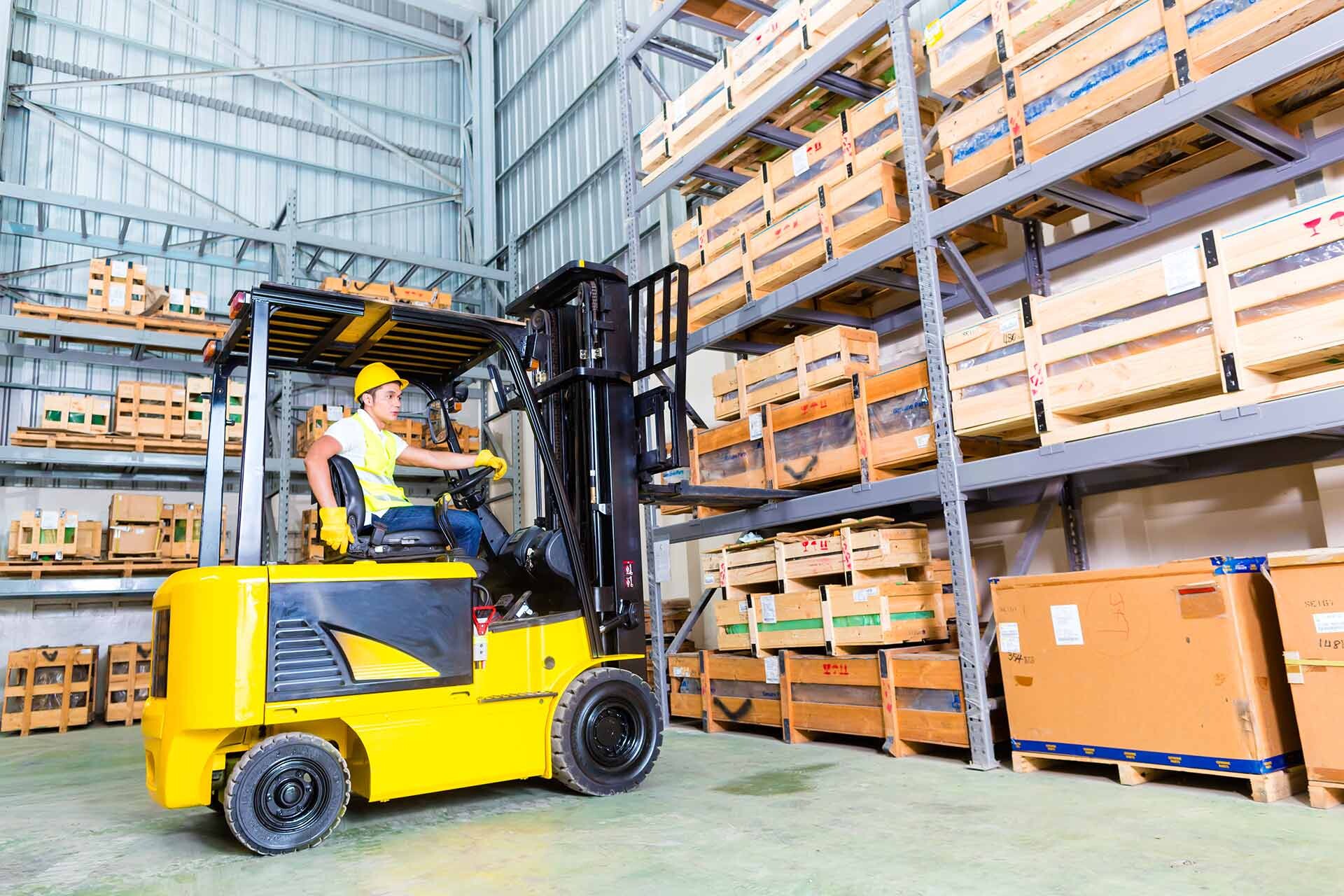
In the world of agricultural and property management, the image of a towering, powerful tractor often comes to mind. However, for a vast number of landowners, farmers, and hobbyists, the unsung hero of efficiency is not the largest machine, but the most appropriate one: the compact tractor. Understanding the distinction between these equipment classes isn't about declaring a winner, but about matching engineering philosophy to operational reality. Large tractors are built to dominate expansive, open fields, while a compact tractor is engineered to excel in spaces where maneuverability, versatility, and multi-functionality are paramount.
The core difference is one of scope versus precision. Each is a master of its own domain, and the most successful operators are those who understand where each tool's strengths lie.
Scale and Power: A Matter of Philosophy, Not Just Size
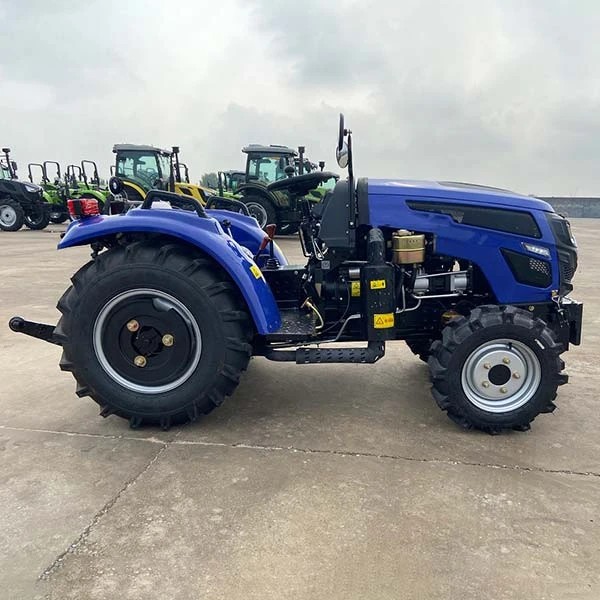
The most obvious contrast is physical. Large agricultural tractors are designed for raw power and ground engagement over hundreds of acres. Their high-horsepower engines pull wide, heavy implements to cover maximum ground in minimal time. A compact tractor, conversely, delivers its power in a smaller, more agile package. Its lower horsepower rating—typically ranging from 25 to 50 HP—is not a limitation for its intended use, but an optimization. This power is more than sufficient for the core tasks it handles, all while consuming less fuel and exerting less ground pressure, which is crucial for preserving delicate turf or garden soil.
The Realm of the Large Tractor: Unmatched in Open Fields
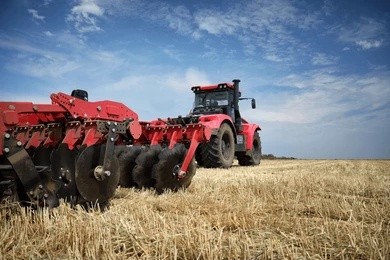
Where the large tractor is truly indispensable is in monoculture row-crop farming on a grand scale. Its strength lies in:
Speed and Breadth: Tilling, planting, or harvesting thousands of acres requires the wide swaths and high forward speeds only a large tractor can provide.
Heavy-Drawbar Work: Pulling massive chisel plows or primary tillage equipment through tough soil demands immense torque and weight.
High-Capacity Hydraulics: Operating very wide or complex implements, like foldable planters or large seeders, requires hydraulic systems built for maximum flow.
In this context, efficiency is measured in acres per hour. The large tractor's specialization is turning vast expanses of land into a productive canvas with breathtaking scale.
Where the Compact Tractor Becomes Indispensable: The Master of Versatility
This is where the compact tractor truly defines its value. It isn't a scaled-down farm tractor; it's a purpose-built machine for diverse, smaller-scale operations. Its excellence is proven in environments like small farms, horse stables, nurseries, hobby vineyards, and expansive residential properties.
The primary advantage of a compact tractor is its incredible versatility, anchored by the standardized three-point hitch and Power Take-Off (PTO) system. This allows a single machine to transform into dozens of tools. A key metric here is not acres per hour, but tasks per day. One hour, it can be a lawn mower with a rear finishing mower. The next, it's a material handler with a front-end loader moving gravel or manure. Later, it becomes a landscaping tool with a box blade grading a driveway, or a planter using a PTO-driven auger. This multifunctional capability makes the compact tractor a cost-effective centerpiece for operations that demand constant adaptation.
Maneuverability and Access: Navigating Constrained Spaces
A large tractor needs space to operate and turn. A compact tractor, however, is designed to work where larger machines simply cannot go. Its smaller footprint and tighter turning radius allow it to operate comfortably between rows in an orchard, inside a cramped barn alley, or around densely planted garden beds. This access is critical. For a small-scale vegetable farmer or a homesteader, the ability to tend to every corner of a property without damaging crops or structures is a non-negotiable feature of the compact tractor.
Operational and Economic Practicalities
The practical benefits extend beyond pure function. A compact tractor is generally easier to transport between job sites with a standard trailer and vehicle. Maintenance and storage are simpler and less costly. For a landowner whose needs are spread across 5 to 50 acres, investing in a large tractor would mean paying for overwhelming, underutilized capacity. The compact tractor offers a rational balance of capability and operating economy, delivering professional-grade utility without the associated scale of investment and overhead.
Choosing the Right Partner for Your Land
Ultimately, the choice between a compact tractor and its larger counterpart comes down to the nature of the work. If your domain is measured in hundreds of contiguous acres dedicated to single-crop production, the large tractor's specialized power is your logical partner.
However, if your world involves diverse tasks on a smaller, more intricate scale—where one day involves landscaping, the next involves material handling, and the season requires mowing, tilling, and clearing—then the compact tractor is not just a suitable choice; it is the engineered solution. It represents a philosophy of smart, adaptable efficiency. It’s the power to manage a property thoroughly, navigate it carefully, and equip it for every challenge, proving that in the right context, optimized capability and nimble design often outweigh sheer magnitude alone. For countless property managers, the compact tractor remains the indispensable, versatile heart of their daily operations.


Chat Online