
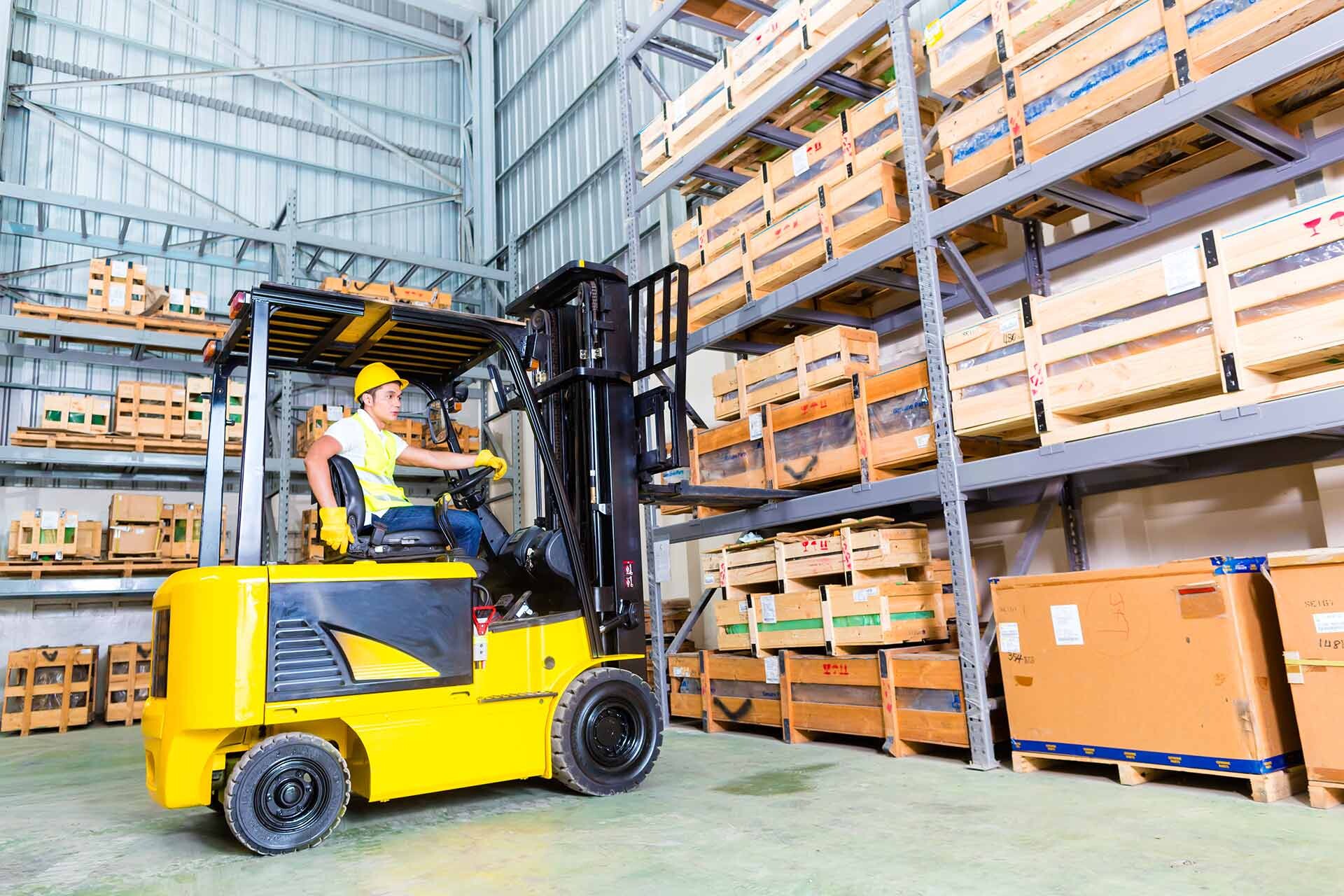
In today’s rapidly evolving industries, efficient material handling is key to reducing costs and increasing productivity. One equipment that stands out in tackling difficult terrain, narrow spaces, and steep inclines is the crawler transporter. Designed to overcome the limitations of traditional wheeled vehicles, this versatile machine offers significant advantages in environments where space is tight or the ground is uneven. From agriculture to construction, the crawler transporter has proven to be a game-changer, providing enhanced efficiency and safety. In this article, we’ll explore how these small yet mighty machines can revolutionize your operations.
The Power of Crawler Transporters: Why They’re Essential for Tough Terrain
1.Unmatched Stability and Traction in Uneven Environments
One of the primary reasons for the popularity of the crawler transporter is its exceptional ability to navigate uneven terrain. The crawler system—instead of tires—distributes the weight of the vehicle over a larger surface area, which helps reduce the pressure on the ground. This makes the transporter much more stable, especially on steep slopes, muddy roads, or soft soils. In areas where traditional wheeled vehicles would struggle, such as wet agricultural fields or construction sites with loose gravel, the crawler transporter excels by maintaining grip and traction, ensuring safe and reliable operation.
Whether it’s moving fertilizers, grains, or construction debris, the crawler transporter can manage it all without the risk of getting stuck or flipping over.
Applications of Crawler Transporters: Where Are They Most Effective?
2. Agricultural Advantages: Navigating Steep Slopes with Ease
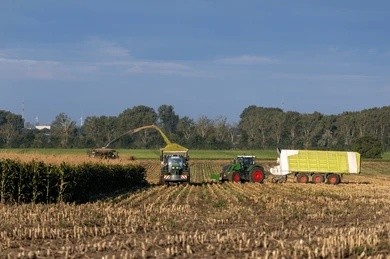
In agriculture, particularly on hilly terrain, transporting materials like fertilizer, crops, and water becomes a challenge. Crawler transporters are an ideal solution for these tough conditions. Their powerful traction allows them to carry heavy loads up and down slopes, making them indispensable for farmers working on agricultural land with uneven or sloping surfaces.
These machines can easily traverse fields with muddy paths or rough soil, which would otherwise be impassable for wheeled vehicles. This ability to carry large quantities of supplies efficiently not only reduces labor costs but also accelerates the process, enabling farmers to focus on other critical tasks. Additionally, the compact size of the crawler transporter allows it to maneuver around tight spaces between crops or along narrow farm pathways.
3.Urban Construction: Reducing the Impact of Limited Space
Urban construction projects often present the challenge of limited space for transporting materials and equipment. Here, the crawler transporter shines again. Thanks to its compact size and excellent maneuverability, this equipment can navigate narrow streets, tight alleyways, and congested construction zones with ease.
Construction sites in urban areas require quick and efficient material transport to keep projects on schedule. The crawler transporter’s versatility ensures that construction debris, sand, bricks, and other materials are moved efficiently, even when large machinery cannot access the site. Its ability to operate in such restrictive spaces makes it a must-have in modern urban construction.
Choosing the Right Crawler Transporter: Factors to Consider
4.Engine Power: Diesel vs. Electric Models
When selecting a crawler transporter, one important decision revolves around choosing the right engine. Most crawler transporters come with gasoline or diesel engines, like the popular LONCIN 6.5HP, 196cc engine, which is suitable for a wide variety of tasks. Diesel engines, typically used in outdoor environments, offer strong, reliable performance and greater fuel efficiency for heavy-duty tasks.
On the other hand, electric-powered crawler transporters are increasingly popular for indoor use or where emissions are a concern. These electric models are quieter and cleaner, making them ideal for indoor construction projects or environments with strict environmental regulations. However, they do have limitations in terms of battery life, making diesel-powered versions a better fit for longer, more demanding tasks.
5.Load Capacity and Terrain Suitability
The load capacity of a crawler transporter plays a significant role in determining its suitability for your project. While small crawler transporters are ideal for moving lighter loads over short distances, heavy-duty versions are available for more demanding tasks. It is crucial to assess the weight of the materials you plan to transport and ensure that the crawler transporter can handle the load without compromising safety or performance.
Also, consider the type of terrain where the equipment will operate. Crawler transporters excel in environments with steep inclines, rocky surfaces, and other challenging conditions. They provide stability and consistent performance even in areas where wheeled transporters would be inefficient or unsafe.
Maximizing Efficiency with Crawler Transporters: Tips for Better Performance
6.Regular Maintenance: Ensuring Longevity
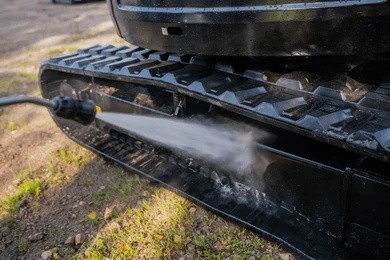
To get the most out of your crawler transporter, regular maintenance is key. While the machine is built to withstand tough conditions, routine checks on the engine, tracks, and hydraulics will ensure optimal performance. Cleaning the tracks, inspecting the oil and hydraulic fluid, and tightening bolts and connections are simple but essential steps in maintaining your transporter.
Keeping your crawler transporter in peak condition not only extends its lifespan but also prevents unexpected breakdowns, keeping your project on schedule and within budget.
7.Versatility in Attachments: Expanding Functionality
The versatility of the crawler transporter is further enhanced by its ability to work with various attachments. Whether it’s a dump bed, loader bucket, or sweeper, these attachments allow the transporter to take on different tasks, from clearing debris to lifting materials and even snow removal. The crawler transporter can quickly switch between functions depending on the job at hand, making it an incredibly adaptable machine for any project.
The Future of Crawler Transporters: Innovation and Trends
8.The Rise of Electric Models and Smart Technologies
As industries continue to evolve, so do the machines that power them. Crawler transporters are no exception. The future of these machines lies in automation and electric drive systems. With growing emphasis on reducing carbon footprints, the demand for electric crawler transporters is increasing. These machines will not only be more eco-friendly but will also feature smart technologies like GPS tracking, remote control, and automated navigation, making them even more efficient and user-friendly.
Additionally, the ability to integrate internet-of-things (IoT) technology will allow companies to monitor the condition of their crawler transporter in real time, helping to prevent maintenance issues before they arise.
Conclusion: Why Crawler Transporters Are a Game-Changer for Material Handling
The crawler transporter offers unparalleled versatility, stability, and efficiency for a wide range of industries. Whether navigating steep slopes on agricultural fields or maneuvering through tight construction sites, these machines handle material transport with ease. Their robust design, combined with modern engine options and technological advancements, ensures they remain a valuable asset for any operation.
By carefully choosing the right crawler transporter based on your specific needs—whether for agriculture, construction, or industrial work—you can significantly improve efficiency, reduce labor costs, and ensure safety in even the most challenging environments.


Chat Online