
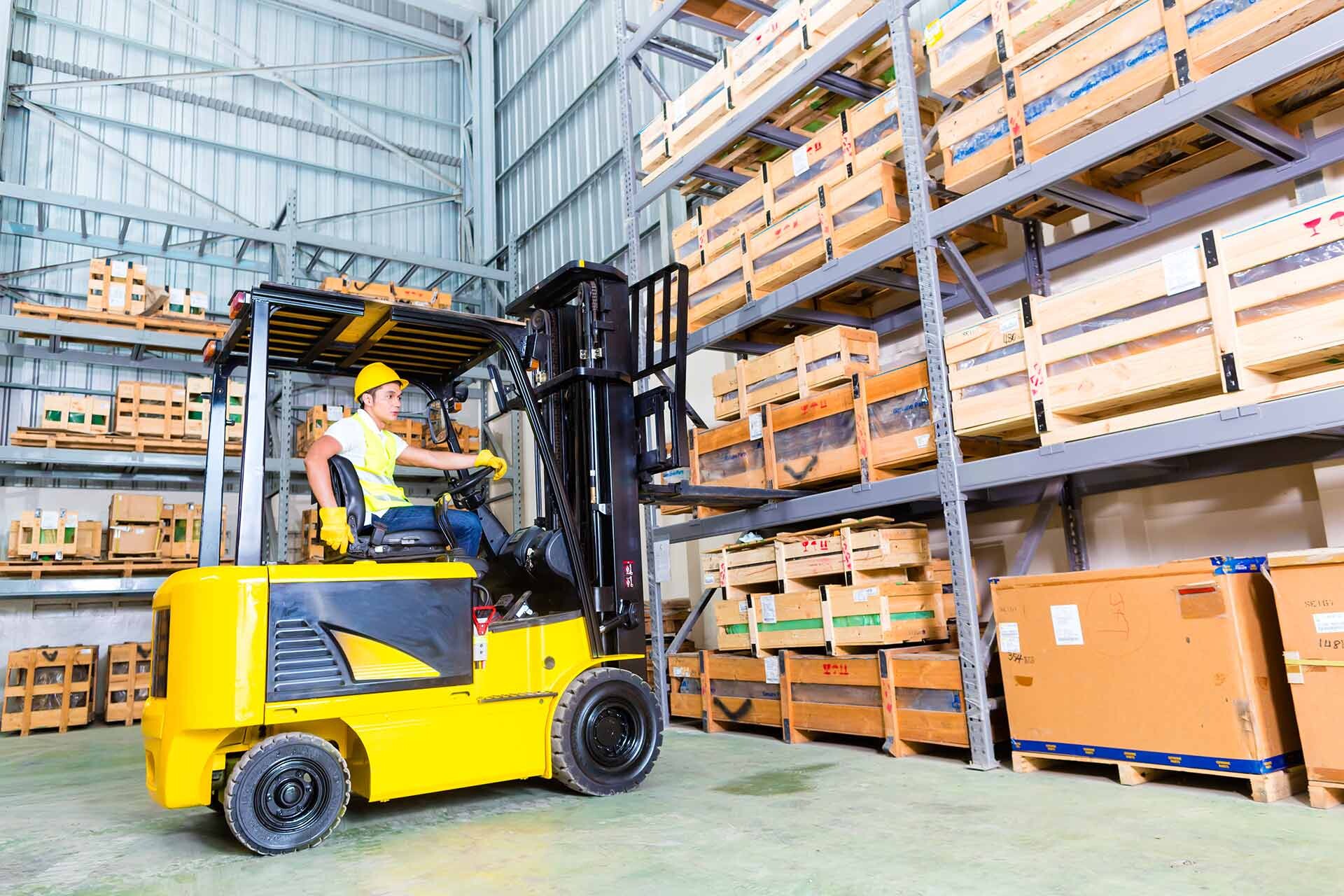
Crawler transporters are specialized vehicles designed to move heavy loads across uneven terrains. These machines are widely used in industries such as construction, mining, and aerospace, where they are required to transport large, heavy equipment or materials across challenging landscapes. Due to the demanding nature of their work, crawler transporters require regular maintenance to ensure that they continue to operate efficiently and safely.
In this article, we will provide a comprehensive guide to Crawler transporters maintenance. We will discuss key maintenance tasks, common issues to look out for, and tips for prolonging the lifespan of your crawler transporter.
What Are Crawler Transporters?
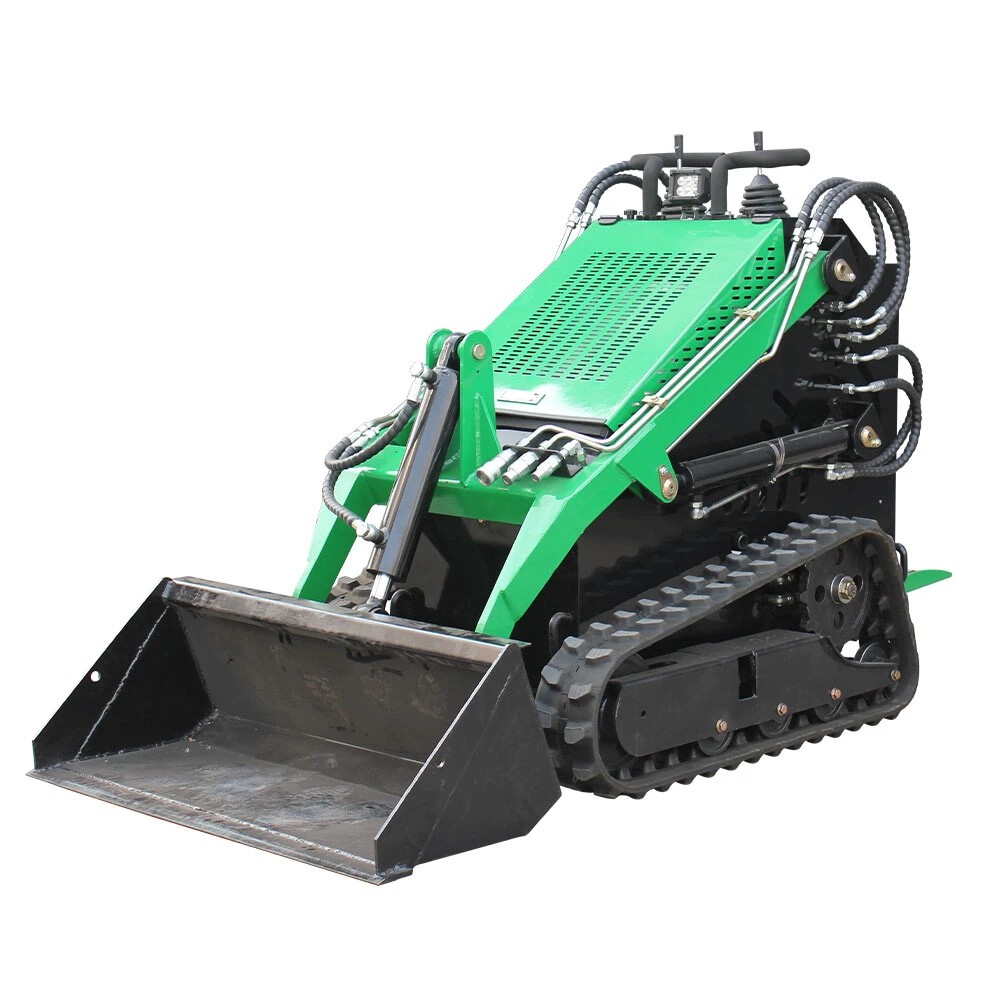
Crawler transporters are vehicles that feature large tracks instead of wheels. The tracks distribute the weight of the machine over a larger area, preventing it from sinking into soft ground or getting stuck on uneven terrain. These machines are designed to handle heavy-duty transportation tasks, especially in environments that are too rough or unstable for wheeled vehicles.
Crawler transporters are typically used for transporting extremely heavy equipment, such as large machinery, structural components, and even spacecraft in specific applications. Their versatility and ability to operate in difficult conditions make them essential for projects that require the transportation of large items.
Why Is Crawler Transporters Maintenance Important?
Maintaining crawler transporters is crucial for ensuring their longevity and optimal performance. Regular Crawler transporters maintenance helps prevent costly repairs, enhances safety, and ensures the vehicle continues to operate efficiently. Given the heavy workloads these machines often carry, wear and tear can happen quickly if they are not properly maintained.
Proper maintenance also extends the lifespan of critical components such as the tracks, engine, and hydraulic systems. Without regular maintenance, these components may fail prematurely, causing significant downtime and expensive repairs.
Key Aspects of Crawler Transporters Maintenance
1.Regular Inspection of Tracks
The tracks are one of the most important components of a crawler transporter. They support the entire weight of the machine and ensure smooth movement across rough terrains. Over time, the tracks can experience wear due to friction, heavy loads, and exposure to dirt and debris.
Maintenance Tip: Regularly inspect the tracks for signs of wear, cracks, or missing links. Look for any uneven wear patterns that could indicate improper alignment or tension. It is also important to check the tension of the tracks. If the tracks are too loose or too tight, it can cause undue stress on the drive system.
2.Engine and Fuel System Maintenance
Like any heavy-duty vehicle, the engine is the heart of a crawler transporter. Regular engine maintenance is essential to ensure that it continues to run smoothly and efficiently.
Maintenance Tip: Change the engine oil and replace air filters at regular intervals as specified in the manufacturer's guidelines. Check the fuel system for leaks and ensure that the fuel filters are clean to avoid clogs. A well-maintained engine will provide optimal performance and reduce fuel consumption.
3.Hydraulic System Checks
The hydraulic system of a crawler transporter is responsible for controlling the movement of various components, such as the lift arms and steering. This system is crucial for the machine's overall functionality.
Maintenance Tip: Regularly check the hydraulic fluid levels and look for any signs of leaks. Low fluid levels or contaminated hydraulic fluid can cause the system to fail. Make sure that all hoses and seals are intact and free from damage. If any leaks are found, address them immediately to avoid damage to the system.
4.Lubrication of Moving Parts
Crawler transporters have many moving parts, such as joints, bearings, and linkages, which need to be properly lubricated to minimize friction and wear. Without proper lubrication, these components can experience accelerated wear, leading to premature failure.
Maintenance Tip: Ensure that all moving parts are lubricated according to the manufacturer's instructions. Use high-quality lubricants designed for heavy machinery to ensure long-lasting protection.
5.Cleaning and Debris Removal
Given the environments in which crawler transporters operate, they are often exposed to dirt, mud, and debris. These materials can accumulate on the machine, clogging essential components and causing damage over time.
Maintenance Tip: Regularly clean the machine to remove dirt, debris, and buildup. Pay special attention to areas where dirt can accumulate, such as the tracks, engine compartment, and hydraulic system. Use high-pressure water to wash off any dirt and grime, but avoid using excessive force that could damage sensitive components.
6.Monitoring the Electrical System
The electrical system of a crawler transporter controls many critical functions, such as the lights, sensors, and engine management system. A failure in the electrical system can cause the machine to stop working or behave erratically.
Maintenance Tip: Periodically inspect the electrical system for loose wires, corroded connections, or damaged components. Ensure that the battery is fully charged and that the terminals are clean and free of corrosion. Replacing old batteries before they fail can save you from unexpected downtime.
7.Checking the Steering and Brake Systems
Steering and braking systems are essential for controlling the movement of the crawler transporter. These systems should be checked regularly to ensure they are functioning properly and safely.
Maintenance Tip: Inspect the steering components, such as the hydraulic cylinders, for any signs of wear or leaks. Similarly, check the brake system for fluid levels and ensure that all components are in working order.
Common Issues and DIY Solutions
While regular Crawler transporters maintenance can help prevent many issues, there are a few common problems that operators may encounter. Here are some tips for handling these issues:
Problem: Tracks Slipping or Wearing Unevenly
Solution: Check track tension and alignment. Adjust the tension as needed to ensure the tracks are tight enough to prevent slipping but not too tight to cause excessive wear.
Problem: Hydraulic Fluid Leaks
Solution: Inspect all hoses and seals for signs of wear or cracks. Replace any damaged parts and top off the hydraulic fluid to the correct level.
Problem: Engine Overheating
Solution: Ensure that the radiator and cooling system are clean and free of debris. Replace the coolant regularly to prevent overheating.
Conclusion: The Importance of Regular Maintenance
Maintaining crawler transporters is essential for ensuring their longevity and reliable performance. Regular checks of the tracks, engine, hydraulic system, and other components help prevent costly repairs and downtime. By following the tips outlined in this article, you can ensure that your crawler transporter remains in peak condition and continues to provide efficient performance for years to come.
If you want to learn more about Crawler transporters maintenance, feel free to click here for additional insights and resources.


Chat Online