
Electric lifting platforms are becoming increasingly popular across industries due to their efficiency, safety, and ability to improve productivity in a wide range of work environments. These platforms, powered by electric motors, offer significant advantages over traditional manual lifts, particularly in terms of speed, precision, and ease of use. Whether in construction, warehousing, or maintenance, the electric lifting platform is transforming how tasks are completed. In this article, we'll explore the practical benefits of these platforms, how to select the right one, and their growing role in modern industries.
What Makes an Electric Lifting Platform Stand Out?
An electric lifting platform combines the functionality of a traditional lift with the convenience of electric-powered operation. The primary difference between electric lifts and their manual counterparts is the power source: electric lifts use motors and batteries to operate, allowing for effortless lifting and lowering with just the push of a button. This not only reduces the physical strain on workers but also increases the speed and precision of the lifting process. For industries where height and reach are critical, electric lifting platforms have proven indispensable.
Key Advantages of Electric Lifting Platforms
1:Increased Productivity:
Electric lifting platforms are designed to speed up various tasks, especially in environments that require frequent elevation adjustments. Their ability to lift heavy loads quickly and safely makes them ideal for high-demand environments, such as warehouses or construction sites.
2:Safety and Stability
One of the biggest advantages of electric lifting platforms is the enhanced safety they offer. With features such as automatic stabilizers, non-slip platforms, and emergency stop functions, these machines provide a much safer alternative to manual lifting equipment. This is especially important in hazardous work environments where safety is a top priority.
3:Ease of Use
With simple controls, electric lifting platforms are user-friendly and reduce the need for complex training. Their intuitive operation allows workers to focus on the task at hand rather than struggling with complicated equipment. Additionally, the electric motor provides smoother, quieter operations compared to hydraulic or manual lifting methods.
4:Lower Operational Costs
Though electric lifting platforms require an upfront investment, their long-term cost savings are significant. The need for fewer maintenance interventions, longer-lasting batteries, and reduced reliance on labor make them cost-effective solutions in the long run.

Industry Applications of Electric Lifting Platforms
The versatility of electric lifting platforms makes them suitable for a wide array of industries, each benefiting in unique ways from their use.
1:Construction and Building Maintenance
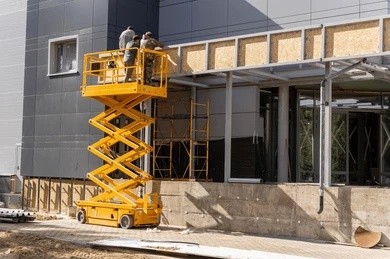
In construction, electric lifting platforms are essential for tasks that involve high-altitude work, such as installing windows, painting walls, or conducting electrical maintenance. Their ability to move up and down quickly and efficiently means workers can complete their tasks in less time, reducing labor costs and increasing productivity.
Electric platforms also help prevent workplace accidents that often occur in high-risk environments. Traditional scaffolding or ladders pose safety risks, but electric lifts offer a stable, secure platform, making them the preferred choice for tasks like facade maintenance or ceiling repairs.
2:Warehousing and Logistics
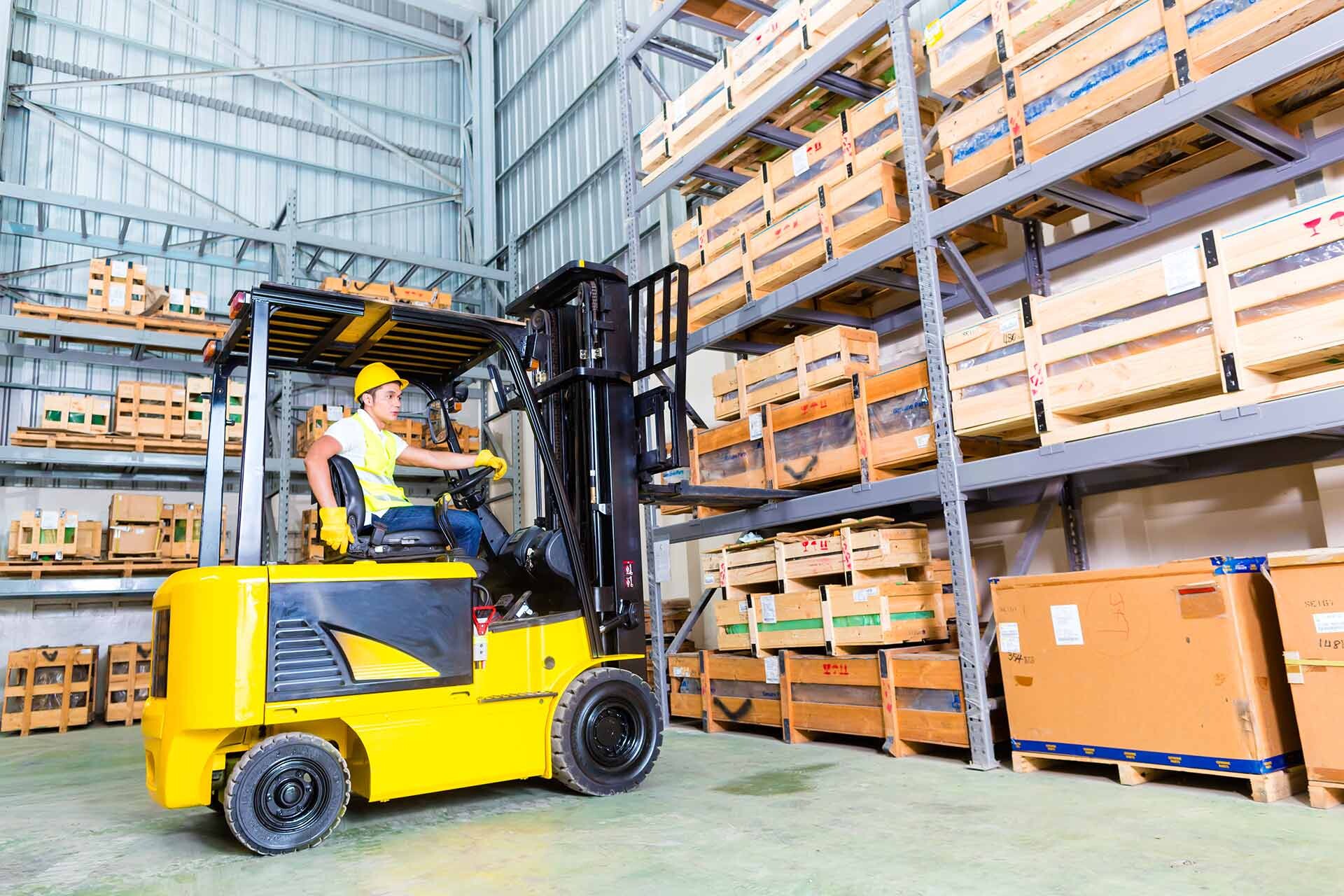
Electric lifting platforms are increasingly common in warehouses and distribution centers, where managing stock, picking orders, and loading/unloading goods require frequent elevation. Workers use these platforms to access high shelves or lift heavy items without straining themselves. By reducing manual labor, they help streamline operations and improve inventory management.
Moreover, these platforms are equipped with safety features like lockable wheels, ensuring stability even when carrying heavy loads. This makes electric lifts ideal for environments that demand high operational standards and worker safety.
3:Retail and Display Setup
Retail stores also benefit from electric lifting platforms, especially when it comes to managing displays or setting up high-level signage. These platforms are commonly used for tasks such as installing lights, adjusting large store displays, or maintaining overhead storage areas. They enable workers to reach great heights without relying on ladders or scaffolding, minimizing the risk of falls and injuries.
Electric lifting platforms allow retail workers to adjust product displays with ease and precision, making them an invaluable tool for maintaining an attractive store layout.
How to Choose the Right Electric Lifting Platform
Choosing the right electric lifting platform depends on several key factors, including the work environment, the required lifting height, and the weight capacity needed for specific tasks.
1:Platform Type and Design
Electric lifting platforms come in various designs, each suited for different applications. Common types include:
-
Scissor Lifts: Ideal for tasks requiring vertical lifting with stability. These are typically used in construction and maintenance.
-
Boom Lifts: These provide horizontal reach in addition to vertical lift, making them perfect for tasks that require both height and distance.
-
Material Lifts: Compact and efficient, these are best suited for lighter, more portable tasks such as stocking shelves or maintenance work in smaller spaces.
2:Lifting Height and Capacity
It's essential to determine the required lifting height for your tasks. Electric lifting platforms come in various height ranges, from short platforms that can reach a few meters to models designed for several dozen meters of lift. The lifting capacity, too, should be considered; too low of a weight limit may lead to overloading and unsafe operations, while too high a capacity could lead to unnecessary cost.
3:Indoor vs. Outdoor Use
Some electric lifting platforms are designed specifically for indoor use, offering lighter weight and more compact designs. These are ideal for warehouses, retail spaces, or office maintenance. However, for outdoor tasks, it’s essential to select a platform with a weather-resistant design and robust tires that can handle rough terrains.
4:Battery Life and Charging Systems
The battery life of an electric lifting platform is crucial for ensuring that the platform can last through extended working hours. Modern platforms are equipped with energy-efficient battery systems that reduce charging time and enhance performance. Additionally, features like fast-charging capabilities and energy-saving modes can help businesses maximize uptime.
The Future of Electric Lifting Platforms: Trends and Innovations
Looking ahead, electric lifting platforms will continue to evolve with the introduction of smarter, more efficient technologies. Expect to see:
-
Automation: Increased automation in electric lifting platforms will allow for more precise control and reduce the need for manual intervention.
-
Green Technologies: As sustainability becomes a priority across industries, manufacturers will likely introduce greener models, focusing on energy efficiency and environmentally friendly materials.
-
Remote Monitoring and Control: Platforms with IoT (Internet of Things) integration will allow managers to remotely monitor usage, performance, and maintenance schedules, ensuring greater efficiency and reduced downtime.
Conclusion
Electric lifting platforms have become essential tools in industries where height access and heavy lifting are critical. Their ability to enhance productivity, improve safety, and lower operational costs makes them a must-have in sectors like construction, warehousing, retail, and maintenance. By understanding the various models, features, and applications, businesses can select the right electric lifting platform to meet their specific needs. With advancements in technology, these platforms will only continue to grow in value, providing workers with safer, more efficient ways to complete their tasks.


Chat Online