
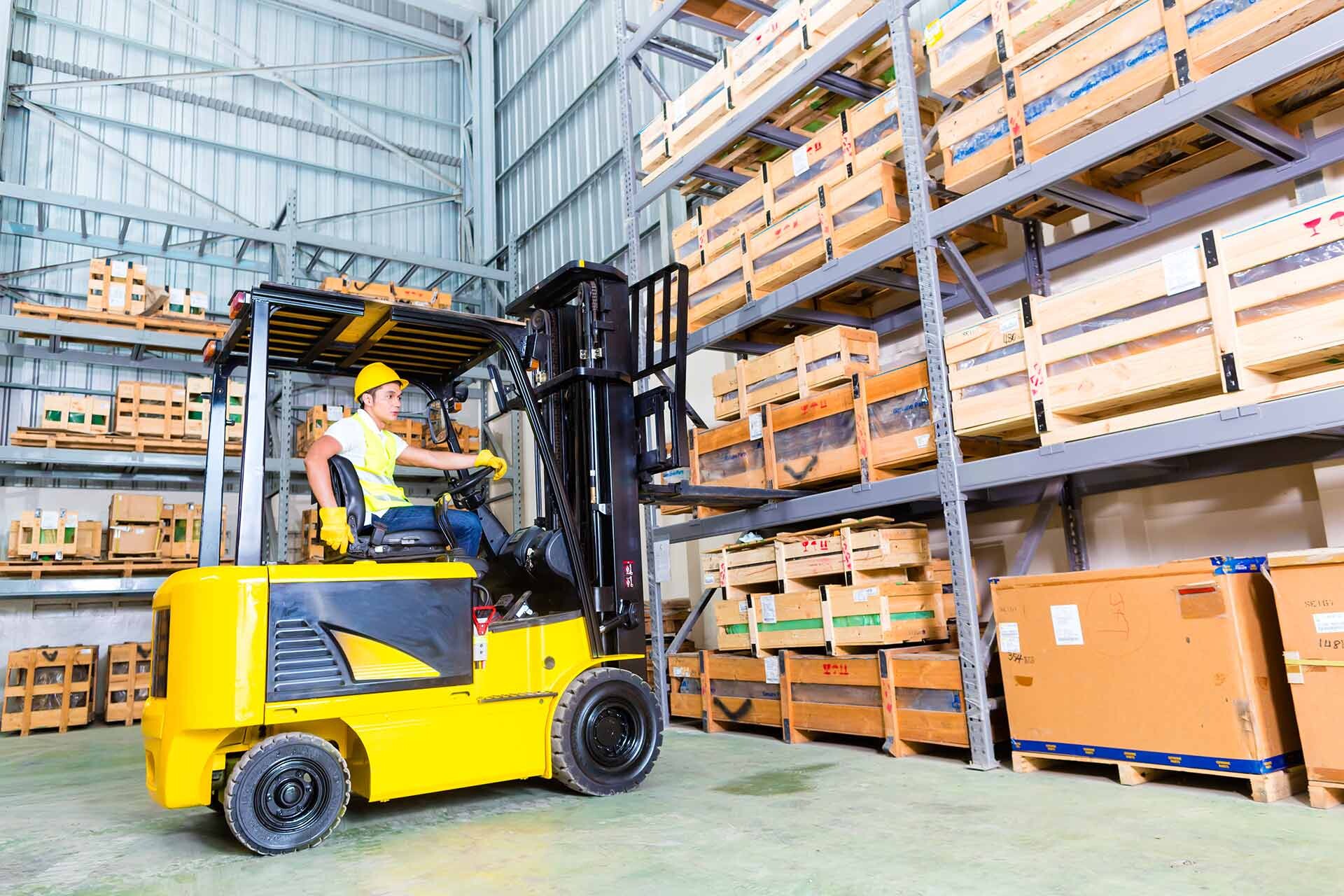
Electric lifting platform maintenance is something many businesses overlook until a problem arises. However, regular upkeep of your lifting platform not only ensures its longevity but also improves its performance, safety, and efficiency. Just like any piece of machinery, these platforms are subject to wear and tear over time. Proper care can help reduce the risk of failure during crucial operations.
The maintenance process can be relatively simple, but it requires attention to detail. In this article, we'll break down the basics of electric lifting platform maintenance, focusing on how you can incorporate this practice into your routine to avoid costly repairs and keep your equipment functioning at its best.
Why Regular Electric Lifting Platform Maintenance Matters
An electric lifting platform is powered by either AC (Alternating Current), DC (Direct Current), or even diesel engines, depending on the model and intended use. These platforms help workers lift heavy loads easily and safely. However, without proper care, these platforms can lose efficiency, experience malfunctions, or even pose safety risks.
Regular electric lifting platform maintenance is necessary because these platforms are typically exposed to heavy use, dirt, and sometimes extreme weather conditions. Over time, this can cause parts to wear out, which could lead to accidents or reduced performance. By maintaining the equipment properly, you are extending its life and ensuring that it functions safely for your team.
Key Maintenance Tasks for Electric Lifting Platforms
When it comes to maintaining your electric lifting platform, several core tasks should be done routinely. Let's break them down by frequency:
Daily Maintenance
Battery Check: Batteries are at the heart of many electric lifting platforms, so it's crucial to check the charge level each day. If the battery isn't properly charged, the platform will not function correctly. Additionally, check the battery terminals for corrosion—this is a common issue that can affect electrical connections.
Hydraulic Fluid Levels: Many lifting platforms rely on hydraulics to raise and lower the load. Check the hydraulic fluid levels daily to ensure smooth operation. Low levels can cause the lift to function improperly, and in severe cases, it can damage the system.
Inspect for Leaks or Damage: Look for visible leaks, especially from the hydraulic system. Any leaks should be repaired immediately to avoid bigger problems later.
Monthly Maintenance
Lubricate Moving Parts: Moving parts like the lift arms or rollers should be lubricated at least once a month. This ensures smooth movement and helps prevent parts from wearing out too quickly.
Inspect the Control System: Take a moment to check the platform’s control system. Ensure that all buttons, emergency stops, and safety features work correctly. If any of these features fail, it can compromise the platform's safety.
Annual Maintenance
Full Structural Check: Over time, even the most robust electric lifting platforms can experience wear on their metal components. Look for any signs of cracks or rust, especially on joints and parts that are under pressure.
Replace Worn-Out Components: Replace any parts that show significant wear or damage. This can include the lift chains, cables, or seals in the hydraulic system. Preventing further damage by replacing worn parts early is cost-effective in the long run.
The Importance of the Power System in Electric Lifting Platforms
The power system of your electric lifting platform plays a significant role in its operation. As mentioned earlier, these platforms can be powered by AC, DC, or diesel engines, and the choice of power source can have an impact on maintenance needs.
AC Power: Platforms powered by AC are often found in industrial settings where a stable power supply is available. While AC-powered systems tend to require less maintenance compared to their diesel counterparts, they do need periodic checks of wiring, connections, and electrical components.
DC Power: DC-powered platforms tend to be more portable and are suitable for smaller spaces. These platforms typically use batteries, and battery maintenance is crucial. Make sure the battery is charged and check for any loose connections that could prevent the platform from functioning properly.
Diesel Power: Diesel-powered platforms offer great flexibility, particularly for outdoor environments or places with limited access to electrical power. These systems, however, require more frequent maintenance, especially for the fuel system, and ensuring the engine is working efficiently is vital.
Each power type comes with specific maintenance tasks, so understanding the needs of your platform's power system is key to proper care.
Troubleshooting Common Issues
Even with regular maintenance, you may encounter some common issues with your electric lifting platform. Here's how to troubleshoot some of them:
Platform Not Lifting: If your platform isn't lifting, the first thing to check is the battery level. If the battery is fully charged, the issue could be a mechanical problem, like a worn-out hydraulic system or an issue with the motor.
Strange Noises: If the platform is making unusual noises, it may indicate that parts are loose or worn out. Check the lift arms, motors, and rollers for damage or wear. Lubricating the parts may solve the issue.
Sluggish Performance: If your electric lifting platform is lifting slower than usual, there could be low hydraulic fluid, or the motor may need attention. Perform the necessary checks to determine the issue.
Electrical Malfunctions: If the platform isn’t responding to controls, it may be an issue with the electrical system. Start by checking the wiring and fuses. If these seem fine, you may need a more in-depth inspection of the control panel or other components.
Conclusion
Maintaining your electric lifting platform isn't just about following a set of instructions—it's about understanding the platform's needs and addressing issues as they arise. Whether it's the AC, DC, or diesel power system, each has specific requirements that need attention. Regular maintenance tasks such as checking the battery, inspecting hydraulic systems, and lubricating moving parts are essential to keeping your platform safe and efficient.
By performing electric lifting platform maintenance regularly, you can extend the life of your equipment, reduce downtime, and ensure the safety of your workers. Don't wait until there's a problem—stay on top of your platform’s upkeep and enjoy smooth, trouble-free operations for years to come.


Chat Online